.png)
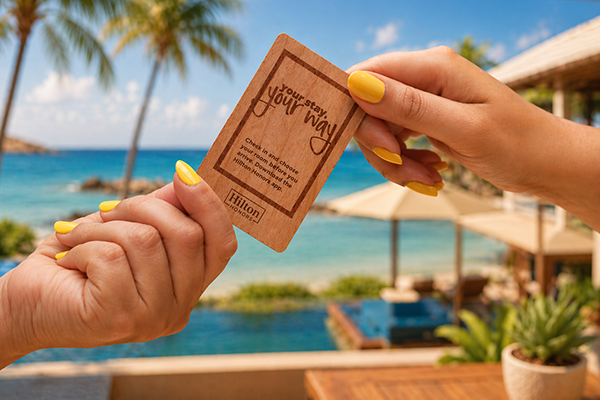
A practical guide for hotel buyers comparing wooden and PVC RFID key cards based on brand image, guest experience, material strategy, and lock system compatibility.
Hotel key cards may seem like a small detail, but they are one of the most visible touchpoints in the guest journey.
In many properties, they are also one of the few branded items every guest physically interacts with from check-in onward.
That is one reason some hotels are starting to look beyond standard PVC cards and explore alternatives such as wooden RFID hotel key cards.
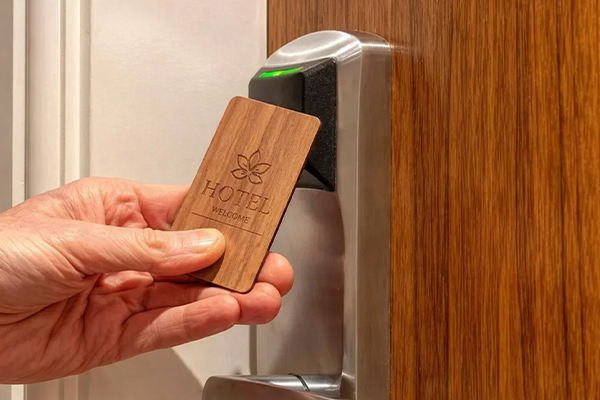
For boutique hotels, luxury resorts, and eco-focused hospitality brands, wooden RFID cards offer something PVC often does not: a more natural appearance, a more distinctive tactile feel, and a stronger connection to premium brand positioning.
At the same time, wood is not automatically the right choice for every hotel. The better option usually depends on brand style, guest profile, operating environment, and how the cards will actually be used.
This article looks at where wooden RFID hotel key cards make sense, where PVC still remains more practical, and how hotel buyers can compare both options more realistically.
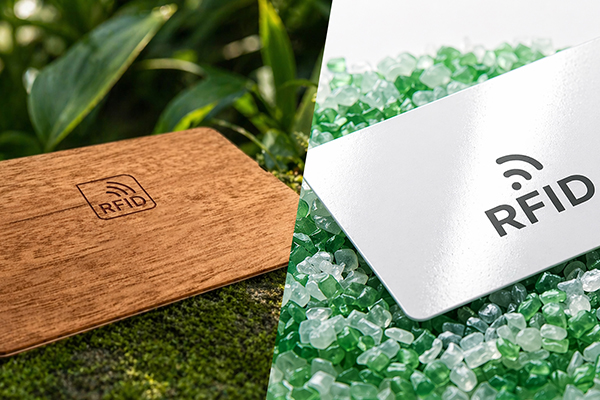
Why Hotels Are Looking Beyond Standard PVC Key Cards
PVC hotel key cards are still widely used for good reason. They are familiar, scalable, durable, and cost-effective.
But in some hotel segments, a standard plastic card may not fully match the experience the property wants to deliver.
This is especially true in:
- boutique hotels
- luxury resorts
- wellness properties
- eco-focused hospitality brands
- design-led guest experiences
In these projects, the key card is not only a room credential. It is also part of the guest’s first physical impression of the hotel.
From a branding perspective, wooden RFID hotel key cards can feel less disposable and more intentional than standard PVC cards.
What Wooden RFID Hotel Key Cards Offer
1. A Stronger Premium Feel
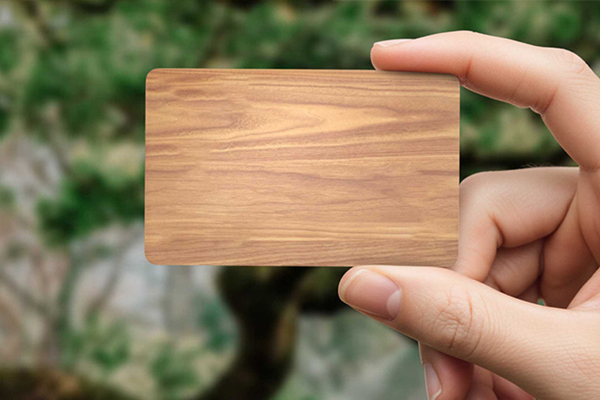
One of the main reasons hotels choose wooden RFID key cards is visual and tactile differentiation.
Compared with standard PVC cards, wood offers:
- natural texture
- visible grain
- a more crafted appearance
- stronger alignment with boutique and premium branding
For hotels that want guest-facing materials to feel more considered, this can be a meaningful upgrade.
2. A More Distinctive Guest Experience
In hospitality, small details often shape how guests remember a stay.
A wooden RFID card can make check-in feel more deliberate and more premium. In some boutique or luxury projects, guests may even keep the card as a souvenir when the design is distinctive enough.
This is not only about appearance. It is also about making a routine hotel item feel more branded and less generic.
3. A Clearer Material Story
Hotels that want to reduce the visible use of plastic often review guest-facing items such as packaging, amenities, signage, and key cards.
Wooden RFID hotel key cards can support that direction, especially for projects where FSC-certified wood is preferred. That can help hotels communicate a more natural material choice more clearly, without changing how the RFID card works.
That said, wooden cards should not be presented as a complete sustainability solution on their own. They are better understood as one visible part of a broader material and brand strategy.
Wooden RFID Hotel Key Cards vs PVC: What Is the Real Difference?
The biggest difference is usually not RFID functionality.
From a system perspective, compatibility depends on the chip, frequency, encoding, and hotel lock system requirements—not on whether the card body is wood or PVC. That is why compatibility should always be confirmed before production.
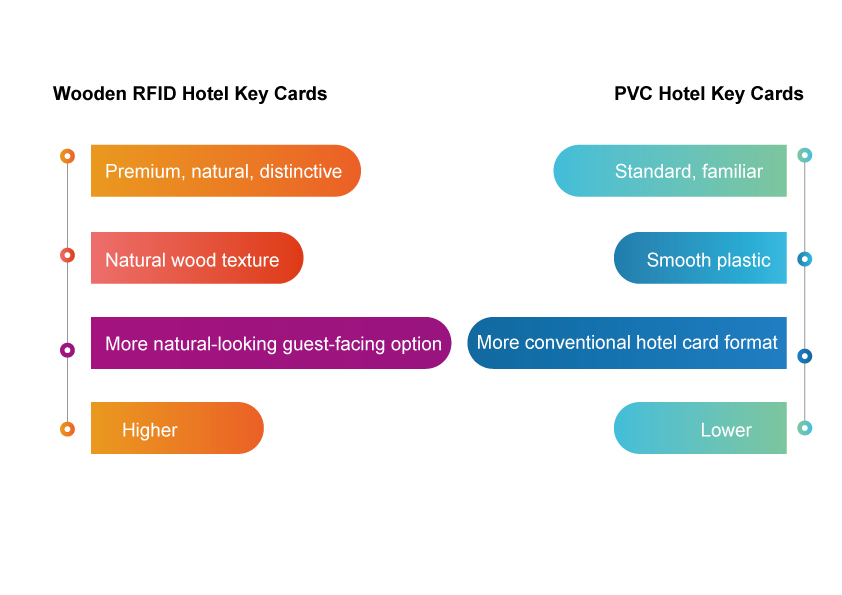
The more meaningful differences are usually these:
| Feature | Wooden RFID Hotel Key Cards | PVC Hotel Key Cards |
| Brand perception | Premium, natural, distinctive | Standard, familiar |
| Material feel | Natural wood texture | Smooth plastic |
| Material message | More natural-looking guest-facing option | More conventional hotel card format |
| Cost | Higher | Lower |
| Flexibility and wear tolerance | More limited than PVC | Better for heavy circulation |
| Typical use | Boutique, luxury, wellness, VIP use | Standard room keys, large-scale operations |
PVC remains the more practical choice for many high-volume properties.
Wood is usually a targeted upgrade, not a universal replacement.
Where Wooden RFID Hotel Key Cards Usually Make More Sense
From a project perspective, wooden RFID cards are often a stronger fit for:
- boutique hotels
- luxury resorts
- eco-focused hospitality brands
- wellness retreats
- premium suites or VIP guest programs
- design-led hotel concepts
These are the projects where material appearance contributes directly to guest perception.
In contrast, wooden cards are often less suitable for:
- highly cost-sensitive hotel operations
- properties with very high card circulation and loss rates
- environments with heavy moisture exposure or rough handling
- hotels that need the lowest possible replacement cost
This is why many hotels do not replace every room key with wood immediately.
Why Many Hotels Use a Hybrid Strategy
In actual hotel projects, a mixed material strategy is often the most practical option.
For example:
- PVC cardsfor standard rooms
- wooden RFID cardsfor suites, villas, VIP guests, or premium guest packages
- custom cardsfor memberships, events, or special brand programs
This allows hotels to manage cost while still using wooden key cards where the branding impact is highest.
For many hotel buyers, this is a more realistic starting point than treating wood as a full replacement for PVC.
What Buyers Should Check Before Ordering Wooden RFID Hotel Key Cards
1. Lock System Compatibility
This should always be confirmed first.
The hotel needs to verify:
- chip type
- frequency
- encoding method
- compatibility with the installed lock system
2. Real Use Environment
Wooden cards can perform well in normal hotel use, especially when properly finished, but they are not the same as PVC in flexibility.
Buyers should think about:
- humidity
- storage conditions
- bending risk
- guest handling habits
- replacement expectations
3. Wood Species and Finish
Different wood materials create different visual effects. Common options may include bamboo, maple, walnut, cherry, or beech, depending on supplier capability and project style. Natural grain variation also means each card may look slightly different, which many boutique hotels consider part of the appeal.
4. Branding Method
Hotels should also decide whether the card needs:
- laser engraving
- printed branding
- room numbering
- encoded chip setup
- matching guest-facing collateral
5. Sample Testing
For wooden RFID hotel key cards, sample testing is especially useful.
Hotels often start with a small batch to review:
- lock performance
- appearance
- finish quality
- guest feedback
- day-to-day durability

A Practical Recommendation From a Manufacturer’s Perspective
From a manufacturing perspective, wooden RFID hotel key cards are usually not a direct substitute for PVC in every situation.
They work best when the hotel is trying to improve one or more of these areas:
- premium brand perception
- guest-facing differentiation
- reduced plastic feel in visible touchpoints
- a more natural material presentation
- support for projects where FSC-certified wood is preferred
For hotels where cost, high turnover, and operational simplicity are the biggest priorities, PVC often remains the better fit.
For hotels where design, guest perception, and brand presentation matter more, wooden RFID cards can be a strong addition—especially when introduced selectively first.
FAQ
Are wooden RFID hotel key cards compatible with hotel locks?
They can be, but compatibility depends on the chip, frequency, encoding, and the hotel lock system—not on the wood material itself. Compatibility should always be confirmed before production.
Can wooden RFID hotel key cards support a more natural material presentation?
Yes. Wooden RFID cards can help hotels create a more natural and premium guest-facing impression, especially in boutique, luxury, or eco-focused projects.
Is FSC-certified wood available for wooden RFID hotel key card projects?
Yes. For projects that require FSC-certified wood, suitable options can be considered based on the project needs.
Can wooden RFID hotel key cards be customized?
Yes. Common customization options include laser engraving, printed branding, wood selection, and chip encoding based on the lock system requirements.
Are wooden RFID hotel key cards waterproof?
Wooden RFID hotel key cards are typically finished to handle normal hotel use and light moisture exposure, but they are generally not the best choice for prolonged water exposure or rough handling.
Conclusion
Wooden RFID hotel key cards are not the right choice for every hotel, but they can be a strong option for properties that want to improve guest perception, strengthen premium branding, and support a more thoughtful material strategy.
For many hotels, the better decision is not choosing between wood and PVC in absolute terms.
It is deciding where wooden cards create the most value and where PVC still makes more operational sense.
That is why a hybrid rollout often works best.