.png)
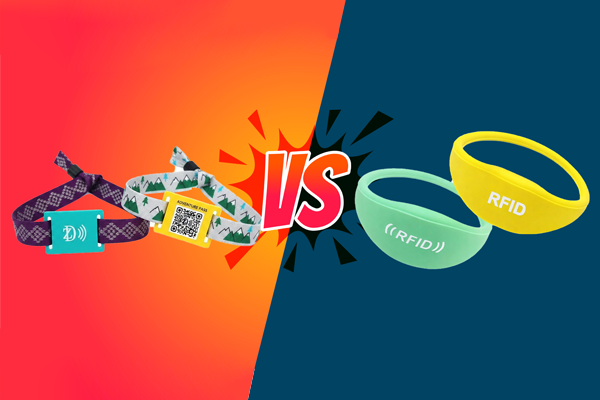
A practical buyer’s guide to choosing the right RFID wristband based on wear duration, branding needs, water exposure, and reuse requirements.
When buyers compare RFID wristbands, the discussion often starts with chip type or frequency.
In real projects, however, the material choice usually affects daily use just as much as the RFID technology inside.
Two of the most commonly compared options are fabric RFID wristbands and silicone RFID wristbands. Both can support access control, ticket validation, membership programs, cashless payment, and guest management. But they are not designed for the same type of project.
For procurement teams, event organizers, resorts, gyms, and system integrators, the more useful question is not simply “Which one is better?”
It is:
Which one fits the actual workflow, environment, and user experience of the project?
This guide breaks down the practical differences between fabric and silicone RFID wristbands and explains where each option usually makes more sense.
Why Buyers Often Compare Fabric and Silicone RFID Wristbands
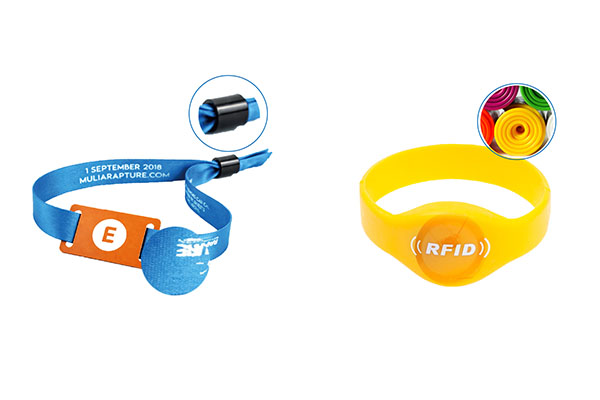
Fabric and silicone wristbands are often compared because both are widely used in projects where comfort, branding, and user experience matter.
They also share several operational advantages.
Both Can Support RFID-Based Access and Tracking
Depending on the chip used, both fabric and silicone RFID wristbands can support:
- access control
- event entry validation
- attendance tracking
- locker access
- cashless payment
- guest or member identification
In many projects, the chip is only one part of the decision. The wristband format itself affects how people wear it, how long it lasts, and how suitable it is for the environment.
Both Are Comfortable for Extended Wear
Compared with rigid access credentials, both fabric and silicone wristbands are more suitable for longer wear periods.
- Fabric RFID wristbandsare soft, lightweight, and breathable.
- Silicone RFID wristbandsare flexible, smooth, and practical for repeated daily wear.
This matters in projects where people may wear the wristband for hours, days, or even longer.
Both Offer Branding Potential
Both materials can be customized, but they support different visual styles.
- Fabric wristbands are often used for full-color printing, detailed artwork, and strong event branding
- Silicone wristbands are more often chosen for clean logo presentation, molded branding, and durable long-term use
For many buyers, the wristband is not only a credential. It is also part of the guest or user experience.
Where Fabric RFID Wristbands Usually Work Better
Fabric RFID wristbands are commonly selected for multi-day events and branded access programs where comfort, appearance, and controlled single use are important.
Typical Applications
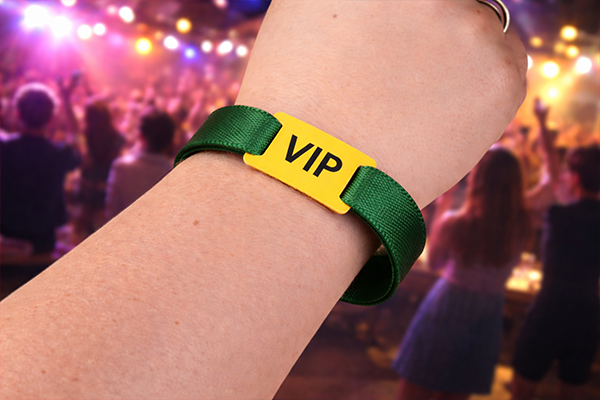
Fabric wristbands are often used in:
- music festivals
- exhibitions
- conferences
- sports events
- VIP event access
- ticketed multi-day programs
Why Buyers Choose Fabric RFID Wristbands
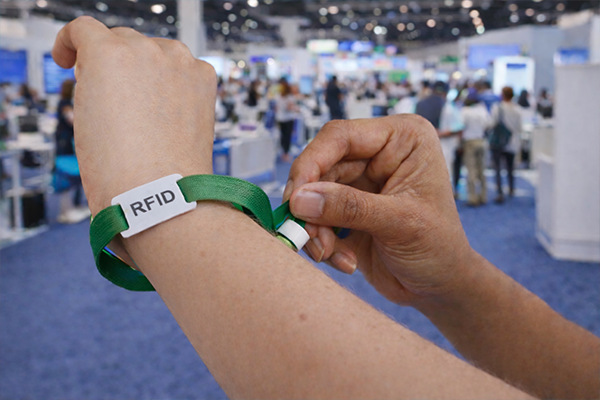
From a project perspective, fabric wristbands are often preferred because they combine:
- comfortable wear over multiple days
- stronger visual branding
- secure single-use locking structures
- good fit for ticketed event control
- practical cost performance for large event volumes
In many event projects, fabric wristbands are chosen not only because they look better, but because they help balance access control, comfort, and branding in one format.
What to Keep in Mind
Fabric wristbands are generally more suitable for event-style use than for long-term reusable programs.
Once locked, they are usually intended for one wearer only. They can handle light outdoor use, but they are not usually the first choice for projects involving continuous water exposure, pools, or repeated long-term reuse.
Where Silicone RFID Wristbands Make More Sense
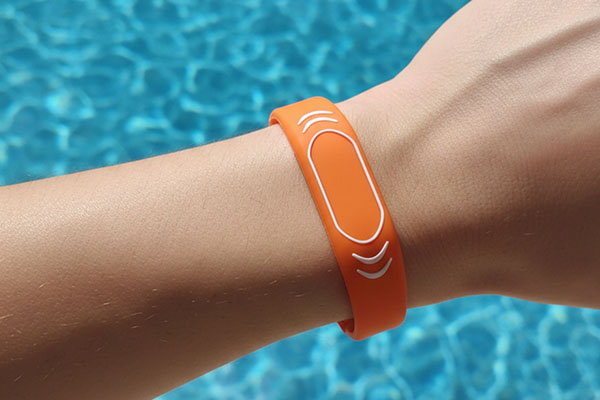
Silicone RFID wristbands are usually the stronger option when the project requires repeated use, water resistance, and daily practicality.
Typical Applications
Silicone wristbands are commonly used in:
- resorts
- hotels
- water parks
- swimming pools
- gyms
- membership systems
- leisure venues
- long-term access programs
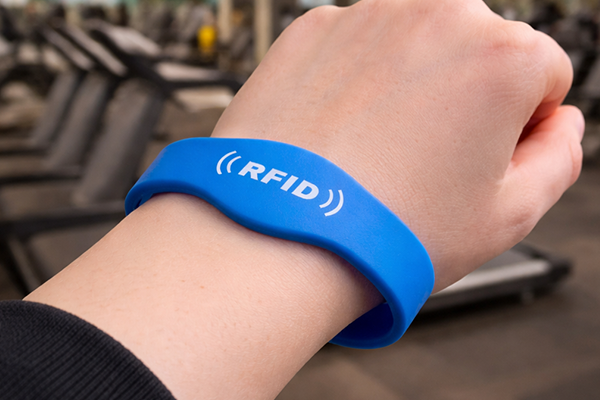
Why Buyers Choose Silicone RFID Wristbands
In actual sourcing projects, silicone wristbands are often selected because they offer:
- reusable daily wear
- good performance in wet environments
- durability under repeated handling
- practical fit for access and membership systems
- stable comfort for ongoing use
For projects where the wristband is expected to stay with the user over time, silicone is often more practical than fabric.
What to Keep in Mind
Silicone is usually the better fit when the priority is function, durability, and reuse, rather than highly detailed printed event graphics.
For gyms, pools, and resorts, that trade-off often makes sense. For branding-heavy festival projects, fabric may still be the stronger visual option.
Fabric vs Silicone RFID Wristbands: What Actually Matters in Real Projects
The biggest difference is not simply the material itself. It is how the wristband will be used in practice.
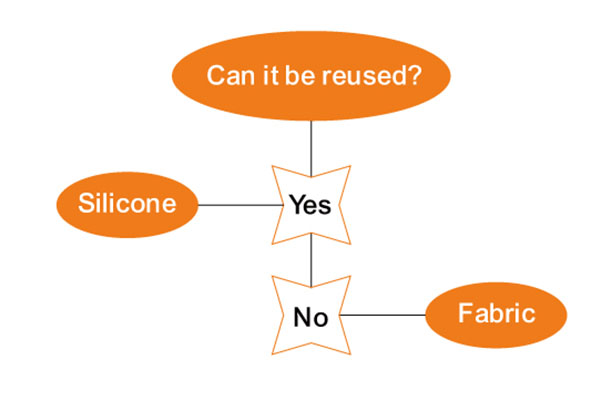
1. Single-Use vs Reusable
This is often the first decision point.
- If the wristband is for one event, one guest cycle, or one controlled admission, fabric is often the better fit.
- If the wristband is for repeat use, memberships, or ongoing guest access, silicone usually makes more sense.
2. Dry Event Environment vs Wet Operating Environment
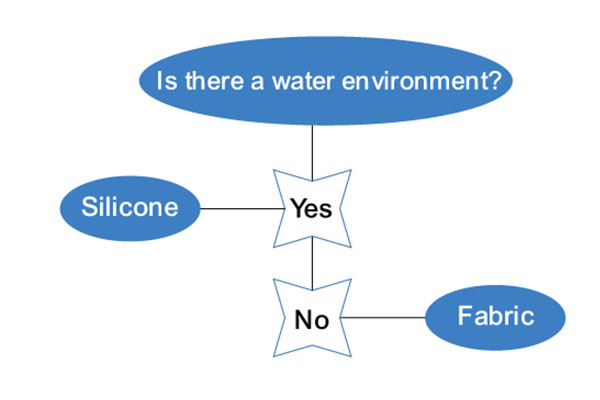
Environment matters more than many buyers expect.
- For concerts, exhibitions, and conferences, fabric is usually well suited.
- For pools, spas, resorts, and water parks, silicone is usually the safer choice.
3. Branding Style
The two materials support different visual goals.
- Fabric works better for colorful artwork, sponsor graphics, and event identity
- Silicone works better for clean, durable branding and long-term program use
4. Cost Model
The comparison is not always about unit price alone.
- Fabric wristbands are often practical for large-volume short-term distribution
- Silicone wristbands usually make more sense when buyers care about reuse and longer lifecycle value
This is why some buyers choose fabric for ticketed events, while others choose silicone for access control and membership systems.
Quick Comparison Table
| Feature | Fabric RFID Wristband | Silicone RFID Wristband |
| Typical use model | Secure single-use | Reusable |
| Best for | Events, festivals, conferences | Resorts, gyms, water parks, memberships |
| Wear duration | Multi-day | Long-term or repeated use |
| Comfort | Soft and breathable | Flexible and smooth |
| Water resistance | Limited for extended wet use | Better for wet environments |
| Branding style | Full-color print and detailed artwork | Clean logo presentation, molded branding |
| Operational focus | Ticketing and controlled event access | Daily access, membership, repeat use |
| Cost logic | Short-term volume efficiency | Better long-term reuse value |
How Buyers Usually Decide Between Fabric and Silicone
In most projects, buyers do not choose based on material preference alone. The decision usually becomes clearer when they answer a few practical questions:
Choose Fabric RFID Wristbands If:
- the project is event-based
- the wristband is intended for one-time controlled use
- full-color branding is important
- the wear duration is short to medium
- cost control matters for larger event volumes
Choose Silicone RFID Wristbands If:
- the wristband will be reused
- the environment includes water, sweat, or outdoor activity
- the project is membership-based or long-term
- durability matters more than complex printed artwork
- the wristband is part of daily access or operational use
This usually covers most real procurement scenarios.
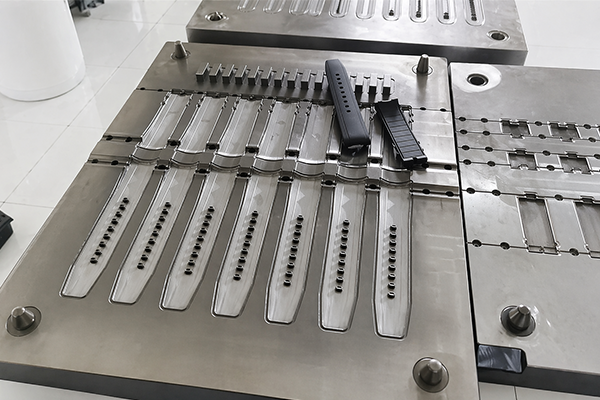
A Manufacturer’s View: Start With the Application, Not the Material Name
From a manufacturing perspective, buyers sometimes start by asking for “fabric” or “silicone” first.
In practice, the more effective starting point is:
- What type of project is this?
- How long will users wear the wristband?
- Will it be reused?
- Will it be exposed to water?
- Is branding or long-term durability more important?
- What chip and reader system will be used?
Once these points are clear, the suitable material is usually much easier to identify.
In many projects, sample testing is also worth doing before bulk production. It helps verify:
- comfort
- fit
- branding effect
- locking or wearing behavior
- reader compatibility
- suitability in the real environment
That step often prevents unnecessary rework later.
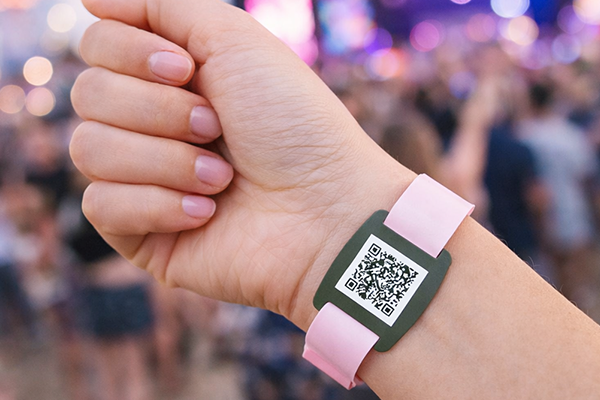
FAQ
Which RFID wristband is better for festivals?
Fabric RFID wristbands are usually the better fit for festivals because they combine comfortable multi-day wear, event branding, and secure single-use control.
Which RFID wristband is better for water parks or resorts?
Silicone RFID wristbands are usually more suitable for water parks and resorts because they are commonly used in wet environments and are more practical for repeated use.
Can silicone RFID wristbands be reused?
Yes. Silicone RFID wristbands are commonly used in reusable access control and membership-based applications.
Are fabric RFID wristbands waterproof?
They can handle light outdoor exposure, but they are generally not the first choice for long-term wet use or repeated water contact.
Can both fabric and silicone wristbands use NFC or UHF chips?
Yes. Both types can be produced with different RFID chip options depending on the project requirement and system compatibility.
Conclusion
Fabric and silicone RFID wristbands are both useful, but they are designed for different priorities.
If the project is event-based, branding-heavy, and designed for secure single use, fabric wristbands often make more sense.
If the project is reusable, exposed to water, and focused on long-term operational use, silicone wristbands are usually the better fit.
For buyers, the best choice usually comes from matching the wristband to the real application, not just comparing materials in isolation.
If the project requirements are still unclear, testing both options with actual samples is often the fastest way to make the right decision.
CTA
Not sure whether fabric or silicone RFID wristbands are better for your project?
Share your application, wear duration, chip requirement, branding needs, and use environment with NEXQO. We can recommend suitable options and arrange samples for evaluation before bulk production.