.png)
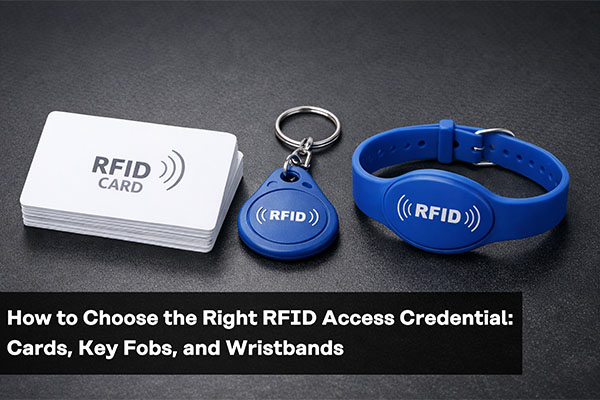
A practical guide for businesses to select the best RFID access credentials, improve operational efficiency, and enhance user experience.
-
Industry Trends & Market Context
Modern access control systems are evolving beyond traditional keys. Organizations in offices, hotels, gyms, residential communities, and campuses increasingly rely on RFID credentials for secure, fast, and convenient access.
Choosing the right credential format is essential to balance usability, durability, and cost, while enhancing brand perception and operational efficiency.

-
Types of RFID Credentials
| Credential Type | Typical Use Cases | Advantages | Considerations |
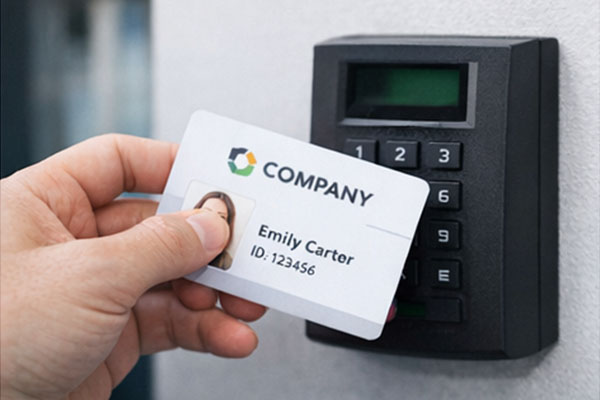
| RFID Card | Offices, hotels, corporate campuses | Professional appearance, large printable surface for branding | Can be forgotten, may bend if not protected |
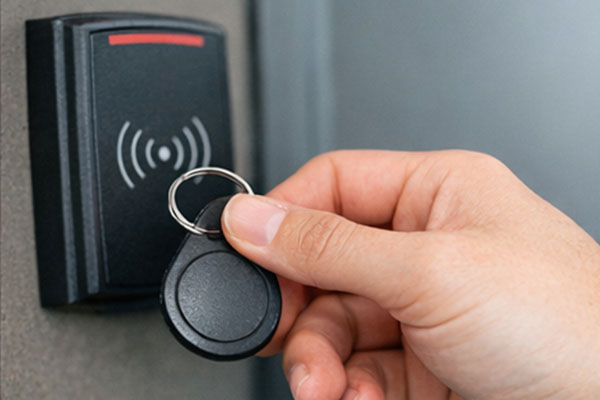
| RFID Key Fob | Residential access, parking, gyms | Compact, durable, easy to attach to keys | Limited printable space |
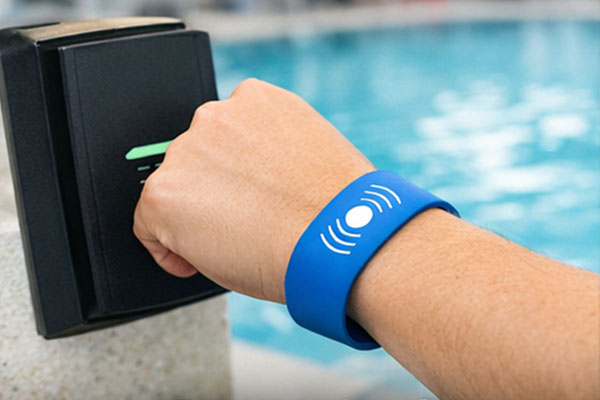
| RFID Wristband | Resorts, events, healthcare, sports facilities | Hands-free, ideal for active or wet environments | Less suitable for formal identification |
Marketing Insight: Highlight the operational benefits of each format, e.g., wristbands for hands-free convenience in pools or gyms, key fobs for durability in daily use, and cards for professional identification and branding.
-
Choosing the Right Credential
When selecting an RFID credential, consider the following factors:
- User Behavior – How users carry and interact with the credential (lanyard, keychain, wrist).
- Environment – Indoor vs. outdoor, water exposure, heavy activity areas.
- Identification & Branding – Need for employee photos, logos, serial numbers, or security features.
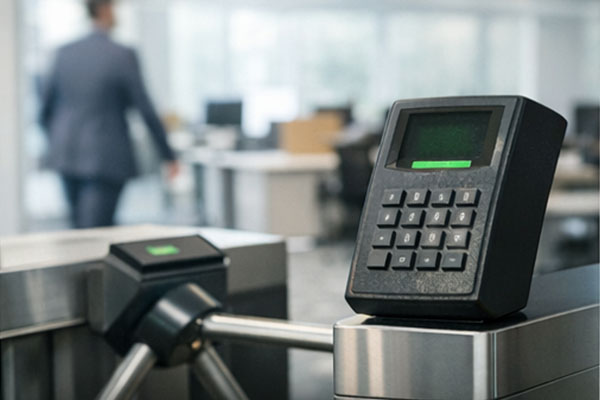
- System Compatibility – Match the RFID frequency (LF 125kHz or HF 13.56 MHz) and chip type with installed readers.
- Durability & Testing – Verify print quality, material performance, and reliability under real conditions.
Pro Tip: Conduct sample testing to ensure the credential performs well in the actual environment.
-
RFID Frequencies
- Low Frequency (LF 125 kHz) – Simple, reliable, widely used in residential or legacy systems.
- High Frequency (HF 13.56 MHz) – Supports MIFARE/NFC technology, multi-application systems, and higher security, suitable for offices, campuses, and hotels.
-
FAQ (High Search Intent)
Q1: Are RFID key fobs more secure than cards?
A1: Security depends on the chip technology, not physical format. Both can provide high security.
Q2: Can RFID wristbands be used for access control?
A2: Yes. Ideal for resorts, gyms, healthcare, and events where hands-free convenience is needed.
Q3: What frequency should I choose for my system?
A3: LF (125 kHz) for basic access or legacy systems; HF (13.56 MHz) for secure, multi-application systems.
Q4: Which credential is best for branding?
A4: RFID cards provide the most space for logos, photos, and serial numbers.
-
Marketing & Operational Value
- Operational Efficiency: RFID credentials enable fast, bulk reading, saving time in offices, gyms, or resort environments.
- Traceability: Easily link digital records to physical credentials for audit, compliance, or guest management.
- Durability: Key fobs and wristbands are more resistant to wear, bending, and environmental exposure.
- User Experience & Brand: NFC and wristbands enhance premium perception and customer interaction.
Contact NEXQO today to find the best RFID access solution for your facility and workflow.
-
Conclusion
Selecting the right RFID credential format is about matching user behavior, environment, branding, and system compatibility.
- Cards: professional, suitable for identification and branding
- Key fobs: durable, convenient for residents or daily use
- Wristbands: hands-free, ideal for active or wet environments
Early testing and working with experienced manufacturers like NEXQO ensures reliability, consistent quality, and better ROI.